Unlocking Creative Potential: A Comprehensive Guide to Custom Laser Cut Patterns for Design
In the rapidly evolving world of digital fabrication and creative design, few tools have revolutionized the industry quite like laser cutting. At the heart of this technology lies a critical component: the design file itself. Custom laser cut patterns for design serve as the blueprint for transforming raw materials into intricate works of art, functional architecture, and personalized decor. Whether you are a seasoned architect, a hobbyist crafter, or a small business owner looking to expand your product line, understanding the versatility and application of these patterns is essential.
This guide explores the significance of high-quality laser cut files, specifically focusing on comprehensive bundles that include formats like PNG, EPS, and JPG. We will delve into how these assets fit into modern life, clarify common misconceptions about file types, and provide practical examples of their application across various industries.
What Are Custom Laser Cut Patterns?
At its core, a laser cut pattern is a digital vector or raster image that dictates where a laser beam should cut, engrave, or score a material. Unlike standard printing, where ink is applied to a surface, laser cutting is a subtractive manufacturing process. The precision of the final product relies entirely on the quality of the source file.
When designers refer to custom laser cut patterns, they are often talking about specialized designs that go beyond basic geometric shapes. These include:
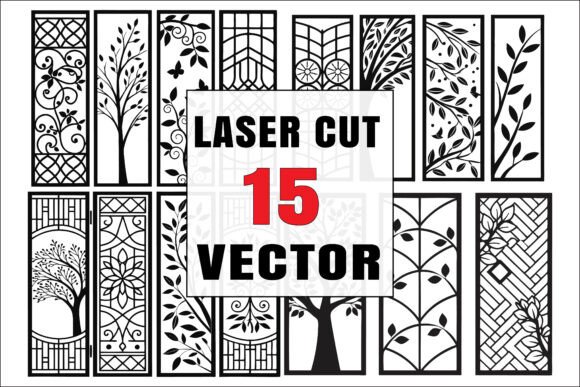
- Ornamental Panels: Intricate filigree and lattice work used for privacy screens.
- Floral and Mandala Designs: Symmetrical, nature-inspired motifs perfect for decorative art.
- Geometric Abstracts: Modern, clean lines suited for contemporary architecture.
- Functional Templates: Patterns designed specifically for assembly, such as box joints or interlocking structures.
The beauty of acquiring a professional bundle—such as one containing 15 PNG, 15 EPS, and 15 JPG files—is the flexibility it offers. Each file format serves a distinct purpose in the workflow, ensuring that whether you are using a CNC router, a CO2 laser, or a fiber laser, you have the right data for the job.
The Importance of File Formats: PNG, EPS, and JPG
A common misunderstanding among beginners is that any image file can be used for laser cutting. This is not entirely true. To achieve professional results, one must understand the difference between raster and vector graphics.
- EPS (Encapsulated PostScript): This is the gold standard for laser cutting. EPS files are vector-based, meaning they use mathematical paths rather than pixels. This allows the design to be scaled up to the size of a building facade or down to a piece of jewelry without losing any resolution or clarity. For precise cutting paths, the EPS file is indispensable.
- PNG (Portable Network Graphics): While primarily a raster format, high-resolution PNGs (such as those sized at 4500×5400 pixels) are crucial for laser engraving. They preserve transparency and detail, making them ideal for shading effects on wood, leather, or acrylic.
- JPG (Joint Photographic Experts Group): Often used for previews or specific engraving tasks where slight compression artifacts do not impact the aesthetic. They are universally compatible and easy to share with clients for approval before the cutting process begins.
By utilizing a bundle that includes all three formats, creators ensure they are prepared for any stage of the design-to-production pipeline.
Practical Applications in Modern Life
The utility of custom laser cut patterns extends far beyond simple hobbies. These designs are integral to several key sectors, driving innovation in how we decorate our homes, build our cities, and express personal style.
1. Home Decor and Interior Design
One of the most popular uses for these patterns is in home decoration. Wall panels and room dividers featuring intricate floral or geometric lattices can instantly transform a plain room into a sophisticated space. Because laser cutting allows for extreme detail, designers can create lampshades that cast beautiful, complex shadows when lit. Furthermore, the trend of personalized birth announcement signs and welcome plaques has surged, with laser-cut door name plates becoming a staple for new homeowners.
2. Crafting and Paper Art
For the crafting community, these files are a treasure trove. Scrapbookers and card makers utilize detailed floral designs and mandala patterns to create layered paper art that would be impossible to cut by hand. The precision of the laser allows for delicate bridges and connections in paper that maintain structural integrity while looking ethereal.
3. Fashion and Jewelry
In the fashion industry, laser cutting has enabled the creation of unique textiles and accessories. Designers use these patterns to cut leather for intricate jackets, create clothing embellishments, or fabricate statement jewelry pieces from acrylic and wood. The ability to replicate a complex filigree design hundreds of times with perfect consistency makes mass customization possible.
4. Product Design and Packaging
Brands are increasingly turning to laser-cut packaging to stand out on shelves. Custom boxes with ornamental panel cutouts reveal the product inside, adding a layer of luxury and anticipation. Additionally, everyday items like coasters and phone accessories benefit from the durability and precision of laser-cut designs.
5. Architecture and Facades
On a larger scale, architects employ these patterns for decorative facades, window screens, and security doors. Using materials like flexible plywood or metal, these panels provide shade and privacy while allowing airflow and light to filter through in artistic patterns. The scalability of vector files (EPS) ensures that a pattern designed on a computer screen can be accurately executed on a multi-story building.
Clarifying Misconceptions: Flexibility and Material
A frequent point of confusion involves the term "flexible laser cut." Some users assume the file itself is flexible. In reality, this refers to the capability of the design to be cut into flexible materials, such as bendable plywood or thin acrylics, which can then be curved to fit cylindrical objects like columns or lamp bases. The design must account for the material's grain and flexibility to prevent cracking during the bending process.
Another assumption is that "custom" means every file must be drawn from scratch. However, purchasing a Mega Bundle of pre-designed ornamental panels provides a massive head start. These files are often fully customizable, allowing the user to modify dimensions, combine elements, or adjust the density of the pattern to suit specific project needs without starting from zero.
The Role of DIY and Small Business
The accessibility of high-quality laser cut files has democratized manufacturing. Individuals can now launch DIY home decor businesses from their garages. With a reliable laser cutter and a library of professional SVG or EPS files, an entrepreneur can produce:
- Personalized wedding invitations and table numbers.
- Custom door name plates and welcome signs.
- Intricate holiday ornaments and gifts.
- Bespoke furniture components.
This shift empowers creators to focus on the finishing touches—sanding, painting, and assembly—rather than spending hundreds of hours drafting vectors. It highlights the symbiotic relationship between digital asset creators and physical manufacturers.
Conclusion: Embracing Precision and Creativity
Custom laser cut patterns for design represent the intersection of traditional craftsmanship and modern technology. They allow us to bring complex, symmetrical, and elegant ideas to life with a level of precision that was once reserved for industrial factories. Whether you are interested in creating a stunning laser cut floral panel for a living room wall, designing a unique piece of jewelry, or fabricating architectural screens, the right digital files are the foundation of your success.
By understanding the nuances of file formats like PNG, EPS, and JPG, and recognizing the vast array of applications from scrapbooking to architecture, designers can fully leverage the power of laser cutting. As technology continues to advance, these tools will only become more integral to our creative ecosystems, enabling us to build a more beautiful and personalized world, one cut at a time.