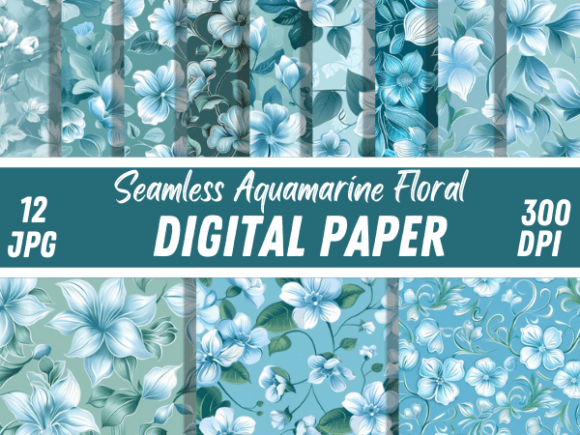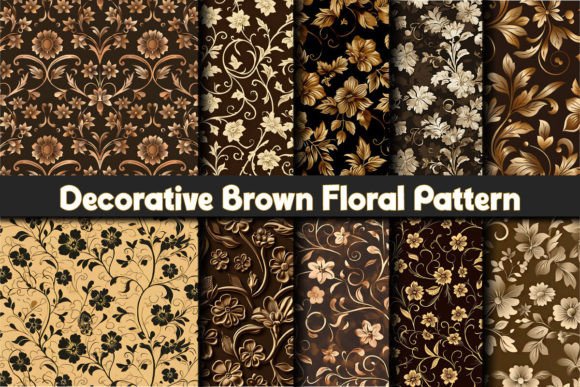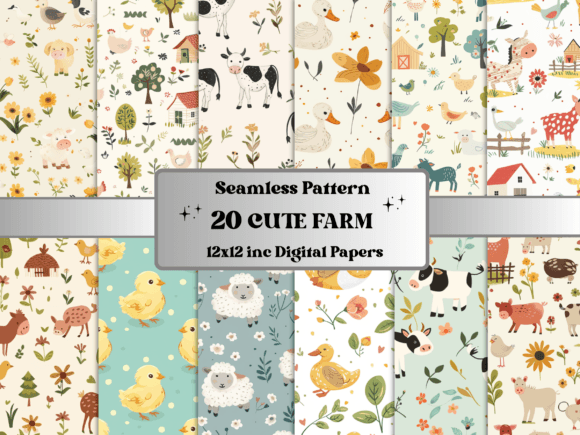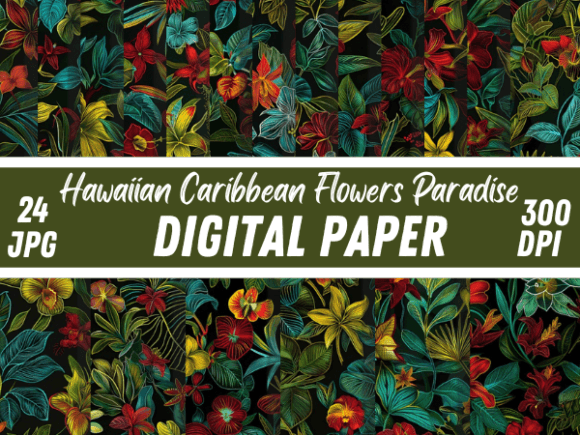
Evaluating Nature Patterns Decorative Design for Creative Projects
In the realm of digital art and interior aesthetics, Nature Patterns Decorative Design has emerged as a versatile resource for creators seeking to infuse organic elements into their work. This specific asset typically refers to a curated collection of visual motifs derived from the natural world, packaged for immediate use in various design applications. When evaluating a product such as the "Nature Patterns Decorative Design" ZIP file—which often contains high-resolution JPG files—it is essential to look beyond the marketing headlines and assess the practical utility, quality, and adaptability of the imagery for your specific goals.
Understanding the Asset
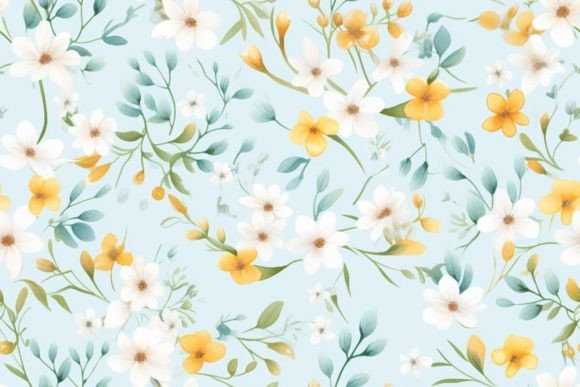
At its core, this type of product provides pre-rendered graphical elements that mimic textures, shapes, and arrangements found in nature. These can range from leafy vines and floral arrangements to abstract representations of wood grain, stone, or water ripples. The primary deliverable is usually a compressed archive containing image files, most commonly in JPG format. While the titles associated with these files may sometimes be randomly generated or generic, the value lies entirely in the visual content itself. Users are encouraged to ignore misleading filenames and focus on inspecting the actual pixels to determine suitability.
The appeal of Nature Patterns Decorative Design stems from the universal human connection to biophilic design—the concept of bringing aspects of the natural environment into built spaces and digital interfaces. Whether you are a graphic designer creating packaging, an interior decorator selecting wall coverings, or a hobbyist working on a scrapbook, these patterns offer a shortcut to achieving an organic aesthetic without the need for photography skills or complex illustration software.
Key Benefits and Practical Applications
There are several compelling reasons to integrate these nature-inspired assets into your workflow. The most significant advantage is efficiency. Sourcing high-quality, seamless nature textures can be time-consuming. Having a dedicated pack allows for rapid prototyping and execution. For professionals working under tight deadlines, the ability to drag and drop a ready-made pattern can significantly reduce production time.
Furthermore, these designs offer versatility. A single high-resolution JPG can serve multiple purposes depending on how it is manipulated. It can be used as a background for a website, a texture overlay for a 3D model, or a print-ready element for stationery. The organic lines and colors inherent in nature patterns tend to soften harsh digital layouts, making them particularly effective for brands wishing to convey sustainability, calmness, or authenticity.
Consider the following scenarios where this asset proves particularly strong:
- Interior Design Mockups: Visualizing how a botanical wallpaper might look in a living room simulation.
- Packaging Design: Adding a subtle leaf texture to eco-friendly product boxes to reinforce brand values.
- Digital Backgrounds: Creating soothing backdrops for presentation slides or social media graphics.
- Textile Printing: Using the patterns as a base for fabric designs, provided the resolution is sufficient for large-scale printing.
Critical Considerations and Tradeoffs
While the benefits are clear, a balanced evaluation requires acknowledging the limitations and tradeoffs associated with downloading free or low-cost design packs. The most notable constraint mentioned in the product description is the file format: JPG only. Unlike vector formats (such as SVG or AI) or layered files (like PSD), JPGs are raster images. This means they are composed of a fixed grid of pixels.
This limitation introduces two main considerations:
- Scalability: If you attempt to enlarge a JPG beyond its original dimensions, the image will lose clarity and appear pixelated. For large-format printing, such as banners or full-wall murals, you must verify the pixel dimensions of the file before committing to its use.
- Editability: Without layers, isolating specific elements within the pattern (e.g., removing a specific leaf to place it elsewhere) requires more advanced photo editing techniques compared to working with vector or layered files. You are essentially working with a flattened image.
Additionally, users should be wary of the note regarding randomly generated titles. In many bulk download packs, filenames do not describe the content accurately. This necessitates a manual review process where the user must open every file to catalog its contents properly. While this is a minor inconvenience, it does add a step to the workflow that some users might find frustrating if they are expecting an immediately organized library.
When to Choose Alternatives
Deciding whether Nature Patterns Decorative Design aligns with your needs depends heavily on the scope of your project. There are situations where seeking alternatives would be a more strategic choice.
If your project requires infinite scalability, such as a logo that needs to appear on both a business card and a billboard, a raster-based JPG pattern is not the ideal foundation. In this case, investing in vector-based nature illustrations would be superior. Similarly, if your workflow relies heavily on non-destructive editing where you need to toggle visibility of different forest layers or adjust color hues of individual flowers independently, a flattened JPG will hinder your process. Here, layered PSD files or modular vector kits would be more appropriate.
Moreover, if you require specific species accuracy—for instance, a botanical illustration that must scientifically depict a specific type of oak leaf for an educational textbook—generic decorative patterns may lack the necessary detail and anatomical correctness. Specialized stock photography or commissioned illustrations would better serve such niche requirements.
Making the Decision
To determine if this specific ZIP file is the right fit, ask yourself three practical questions:
First, what is my output medium? If you are designing for screens or small-to-medium print jobs (like flyers or brochures), the JPG format is likely sufficient. If you are planning massive scale prints, check the resolution metrics immediately.
Second, how much editing do I anticipate? If you plan to use the pattern largely as-is, perhaps with simple color overlays or opacity adjustments, the lack of layers is negligible. If you intend to deconstruct the image extensively, the effort required to mask and edit a JPG may outweigh the benefit of downloading a free pack.
Third, does the aesthetic match my brand? Since titles are unreliable, spend time reviewing the actual images. Do the colors align with your palette? Is the style too realistic or too abstract for your needs? The subjective quality of the art is more important than the quantity of files included.
Final Thoughts
Nature Patterns Decorative Design represents a practical tool for designers who need quick access to organic textures without the overhead of creating them from scratch. Its value proposition centers on speed and aesthetic appeal, making it a strong candidate for mood boards, digital backgrounds, and textured overlays. However, the reliance on JPG format and the potential for disorganized file naming require the user to approach the asset with a critical eye. By understanding these tradeoffs, you can effectively decide whether this pack will streamline your creative process or if a more flexible, albeit potentially more expensive, alternative is necessary for your specific objectives.
Ultimately, the decision rests on balancing convenience against control. For many projects, the immediacy of a ready-to-use nature pattern is exactly what is needed to bring a design concept to life efficiently.