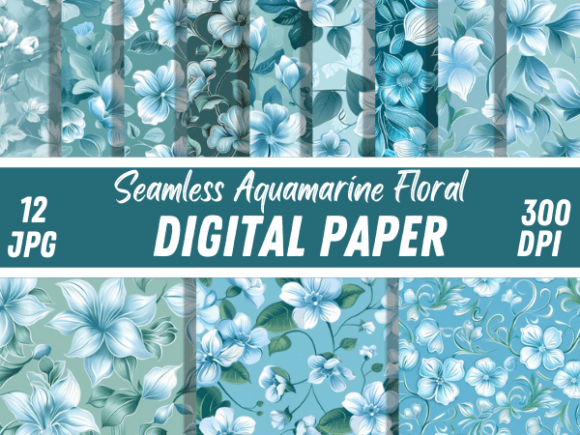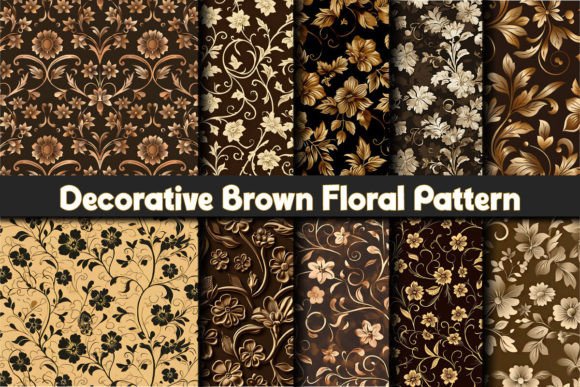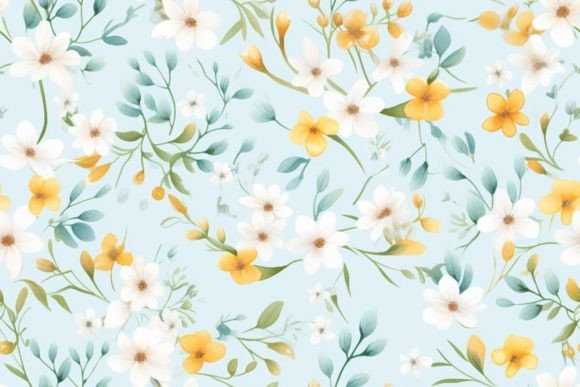
Floral Knitted Embroidery Paper Patterns
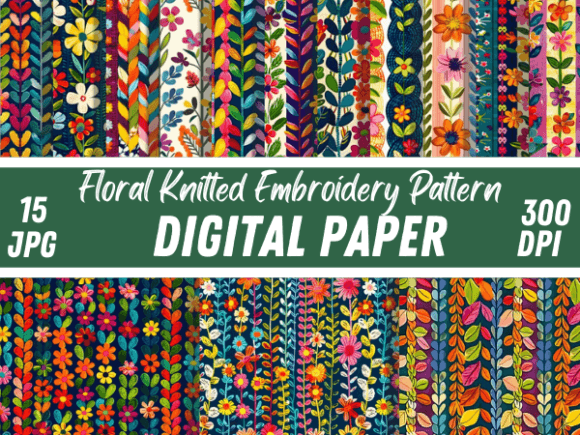
In the world of digital design and handmade crafts, texture often bridges the gap between a flat screen and a tangible feeling. A Floral Knitted Embroidery Paper Pattern is exactly that kind of bridge. It is a high-resolution digital asset designed to mimic the cozy, intricate look of hand-stitched fabric, complete with the visual depth of yarn, thread, and rustic floral motifs. Unlike standard flat illustrations, these patterns rely on detailed shading and simulated stitching to create an illusion of three-dimensionality. When you download a set, you are typically receiving a collection of repeatable backgrounds—often around 15 unique designs in a single zip file—rendered at 300 DPI. This resolution ensures that whether you are printing on standard letter paper or scaling up for large-format wall art, the "stitches" remain crisp and the colors stay true to the intended pastel or rustic palette.
Why Texture Matters in Digital Projects
The appeal of these patterns lies in their ability to evoke warmth. In an era dominated by sleek, minimalist, and sometimes sterile digital interfaces, there is a growing hunger for the "shabby chic" and "homely" aesthetic. These designs tap into a sense of nostalgia, reminding viewers of grandmothers' quilts, winter sweaters, and garden blooms. However, the value of a Floral Knitted Embroidery Paper Pattern shifts significantly depending on who is using it. What serves as a quick background for a marketer might be the foundational element of a small business owner's entire product line.
For some, the priority is speed and reliability. They need a backdrop that instantly communicates "handmade" or "vintage" without requiring hours of actual needlework. For others, the focus is on customization and flexibility. Because these are digital files (usually JPG format), they can be manipulated in software to fit specific color schemes, cropped for stickers, or used as sublimation templates for mugs and tumblers. The fact that actual colors may vary slightly due to monitor settings is a technical consideration that professionals account for, while hobbyists might simply enjoy the surprise of how the print turns out on their specific home printer.
Perspectives from Different Creators
Understanding how different groups utilize these assets helps clarify their versatility. Let's look at how various users might approach the same bundle of 3600 x 3600 pixel images.
- The Small Business Owner: For an entrepreneur selling handmade goods on platforms like Etsy, branding is everything. A shop selling scented candles or organic soaps might use these patterns for gift wrapping paper or box liners. The "knitted" texture reinforces the idea that the product inside is crafted with care. Here, the commercial value is paramount. The owner evaluates the pattern based on whether it looks professional enough to justify a premium price point and if the seamless nature allows for tiling across large rolls of packaging material without visible breaks.
- The Digital Planner Creator: Bloggers and freelancers who design digital planners for tablets have different needs. They aren't printing on physical paper; they are creating interactive PDFs. For them, the high detail of the embroidery simulation adds a layer of realism to a digital interface. They might use a specific floral leaf motif as a divider between months or as a decorative corner element. Their primary concern is file size versus quality; they need the 300 DPI clarity for Retina displays but must ensure the final planner file doesn't become too large to download easily.
- The Sublimation Artist: Makers who print on acrylic tumblers, mugs, or tote bags rely heavily on the resolution of these files. A 3600 x 3600 pixel image provides enough data to wrap around an 11oz mug without becoming pixelated. These users care deeply about the color accuracy and how the "yarn" texture translates when heat-pressed onto polyester coatings. They are looking for designs that won't blur during the transfer process, making the specific "stitched" details a critical factor in their purchasing decision.
- The Hobbyist and Scrapbooker: For the weekend crafter, the joy is in the assembly. Whether creating a junk journal, a wedding invitation suite, or a birthday card, the ease of use is the main draw. They don't want to spend days embroidering a real cloth background; they want to print, cut, and glue. The "rustic" and "whimsical" elements allow them to achieve a sophisticated, layered look with minimal effort. For this group, the variety within a bundle matters most—having 15 different variations means they can mix and match pages within a single project for visual interest.
Evaluating Quality and Usability
When selecting a Floral Knitted Embroidery Paper Pattern, the criteria for success change based on your end goal. If you are an educator creating materials for a classroom, you might prioritize clear, distinct shapes that children can color over or use for cut-and-paste activities. The "traditional art" aspect of the design can serve as a teaching tool for discussing textures and historical crafting methods. Conversely, a professional graphic designer working on a wedding stationery suite will scrutinize the elegance of the font pairing potential and the subtlety of the shadows in the knitted effect. They need the pattern to recede enough so that text remains legible while still providing a rich, tactile atmosphere.
It is also important to consider the limitations. Since these are digital representations of physical textures, the "feel" is purely visual. If your project requires actual touchability, these patterns serve best as printables on textured cardstock or as transfers onto fabric. The note that colors may vary due to monitor settings is not just a disclaimer; it is a prompt for users to test print a single sheet before committing to a large run, especially for color-sensitive projects like brand merchandise or wedding invites where "pastel" needs to match a specific theme.
Practical Applications Beyond Paper
While the term "Paper Pattern" suggests printing, the utility of these files extends far beyond the page. The high-resolution JPG format makes them compatible with a wide array of modern crafting technologies. Vinyl decal creators can import these images into cutting machine software to trace the outlines of the floral leaves, creating intricate stickers that retain the knitted look even when cut from glossy vinyl. Fashion enthusiasts experimenting with DIY clothes printing can use these as iron-on transfers to add a custom, embroidered-looking patch to a denim jacket or a sweater, achieving a "handcrafted" fashion statement without needing needlepoint skills.
Furthermore, these patterns serve as excellent inspiration for traditional artists. A painter or illustrator might use a digital Floral Knitted Embroidery image as an underpainting reference to understand how light hits a loop of yarn or how petals overlap in a dense bouquet. The "ornate" and "detailed" nature of the designs offers a study in complexity that can inform real-world textile work or oil painting techniques.
Ultimately, deciding if this type of digital asset fits your needs comes down to identifying the emotion you wish to convey. If your project calls for something cold, corporate, or ultra-modern, this rustic, cozy aesthetic is likely not the right fit. However, if you aim to evoke feelings of comfort, love, tradition, or the gentle charm of a garden in bloom, these patterns offer a versatile, high-quality foundation. Whether you are wrapping a Valentine's Day gift, designing a book cover for a cozy mystery novel, or creating a backdrop for a product photo shoot, the blend of floral beauty and knitted texture provides a timeless visual language that resonates across generations and skill levels.