Watercolor Rainbow Stained Glass Pattern Guide
The intersection of traditional artistry and modern digital utility creates some of the most versatile assets for creative professionals today. A watercolor rainbow stained glass pattern represents this fusion perfectly, offering the organic fluidity of hand-painted textures combined with the structured, luminous geometry of stained glass design. Unlike standard flat vectors, these patterns carry the subtle imperfections and depth of real pigment, making them ideal for projects that require a touch of human warmth alongside vibrant color.
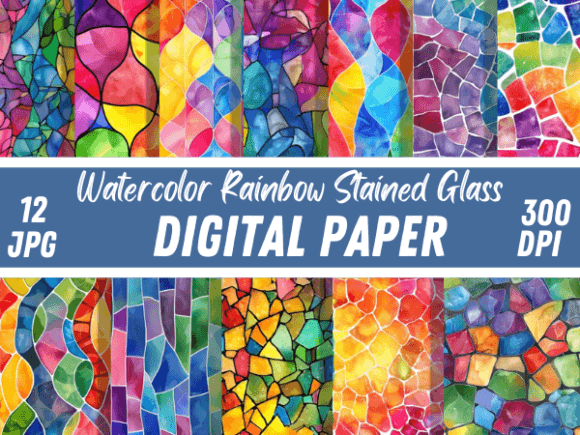
At its core, this design style mimics the way light passes through colored glass, segmented by leading lines but softened by the bleed and gradient typical of watercolor techniques. The result is a visual texture that feels both ancient and contemporary. For designers and makers, this duality opens up a wide array of applications where standard clip art might feel too sterile or generic. Whether you are developing a brand identity for a boutique shop or creating handmade gifts, the nuanced layers in these digital papers provide a sophisticated backdrop that elevates the final product.
Understanding the Digital Asset
When working with high-resolution digital bundles, such as a set of 12 seamless patterns at 3600 x 3600 pixels, you are essentially acquiring a library of raw material rather than a finished image. The value lies in the resolution and the seamlessness. At 300 DPI, these files are print-ready, meaning they can be scaled for large-format outputs like wallpaper or fabric without losing clarity. However, the "watercolor" aspect implies a specific textural quality; the colors blend into one another, creating chromatic gradients that static illustrations often miss.
It is important to note that because these are digital representations of physical media, color consistency can vary. Monitor settings differ from printer profiles, and the substrate you print on—whether it is glossy photo paper, matte cardstock, or cotton fabric—will alter the final appearance. A prudent creator always orders a test print or checks color profiles before committing to a large production run. This attention to detail ensures that the vivid pastels and deep spectrum tones translate accurately from screen to reality.
Creative Applications for Makers and Entrepreneurs
The versatility of a watercolor rainbow stained glass crafted texture extends far beyond simple background decoration. For small business owners and entrepreneurs, these patterns serve as a foundational element for product differentiation. Consider the following practical implementations:
- Custom Gift Wrapping: Printing these designs on high-quality tissue or kraft paper transforms ordinary packaging into a memorable unboxing experience. The seamless nature of the files allows you to tile the pattern across large rolls efficiently.
- Sublimation Projects: The vibrant, multicolor nature of these designs makes them excellent candidates for sublimation on acrylic tumblers, ceramic mugs, and polyester fabrics. The watercolor bleed softens the hard edges of the glass effect, creating a unique aesthetic on curved surfaces.
- Fabric and Apparel: When applied to textiles for bag printing or sweater customization, the ornate, mosaic-like illustration adds an artistic flair that appeals to consumers looking for handmade or artisanal goods.
- Stationery and Planning: Handcrafted planners and junk art journals benefit immensely from these textured backgrounds. They provide enough visual interest to inspire creativity without overwhelming the space needed for writing or sticking notes.
Adapting for Seasonal and Thematic Campaigns
While the rainbow spectrum is inherently versatile, it can be strategically aligned with specific seasonal campaigns. For Valentine's Day, focusing on the warmer reds, pinks, and purples within the pattern can create romantic vinyl decals or elegant wedding stationeries. The "stained glass" motif evokes feelings of cherished traditions and enduring beauty, fitting themes of love and commitment.
Conversely, the same asset can be adjusted for Winter themes by emphasizing cooler blues and greens, or by using the geometric structure to mimic frost patterns. For birthday celebrations, the full spectrum offers a joyful, celebratory vibe suitable for invitations and party backdrops. The key is in the cropping and color grading. By isolating specific sections of the 3600px file, you can tailor the mood to fit the occasion without needing entirely new designs.
Technical Considerations for Professional Results
To maintain the integrity of the detailed textures inherent in these files, workflow organization is crucial. When preparing files for cut machines or engraving lasers, ensure that the contrast between the "leading" lines and the colored panes is sufficient for the machine to read. For print-on-demand services, verify that the JPG format provided meets the specific vendor's requirements for color space (usually sRGB for web, CMYK for offset printing).
For those utilizing these patterns in digital marketing or web design, remember that high-resolution files can be heavy. Optimize the images for web use by compressing them appropriately while retaining the visual fidelity of the watercolor grain. This balance ensures fast loading times for your audience while preserving the artistic quality that draws them in.
Ideas for Educators and Content Creators
Educators and bloggers can leverage these patterns to create engaging visual aids and downloadable resources. A teacher might use the mosaic illustration style to teach concepts of light, color theory, or geometry in an art class. Bloggers can use the textures as overlays for social media graphics, adding depth to flat-lay photography or serving as a branded background for quote cards.
The "handmade" feel of the watercolor texture resonates strongly with audiences tired of overly polished, corporate aesthetics. It signals authenticity and effort. When used in e-books, course covers, or printable decorations, it suggests that the content within is curated with care. This psychological cue can increase engagement and perceived value among your target demographic.
Maintaining Originality and Consistency
With digital assets becoming increasingly accessible, maintaining originality requires a thoughtful approach. Rather than using the pattern exactly as downloaded, consider manipulating it. Blend modes in photo editing software can overlay the stained glass texture onto solid colors or other images, creating entirely new compositions. You might also combine elements from different sheets in the bundle to create a collage effect that is uniquely yours.
Consistency is equally important for branding. If you choose this style for your business materials, apply it across all touchpoints—from your website headers to your physical packaging tags. This repetition builds recognition. However, avoid monotony by varying the scale of the pattern; use a zoomed-in macro view for business cards and a wide, repeating view for website backgrounds.
Ultimately, a watercolor rainbow stained glass pattern is more than just a pretty image; it is a tool for storytelling. Whether you are crafting a wedding invitation that speaks of timeless romance or designing a tumbler wrap that bursts with colorful energy, these digital papers provide the canvas. By understanding their technical specifications and exploring their diverse applications, you can transform a simple zip file of JPGs into a cornerstone of your creative portfolio.