The Art of Modern Minimalism: Exploring Decorative Flat Floral Designs for the Digital Age
In the vast landscape of visual design, few trends have captured the collective imagination quite like decorative modern minimal flowers. This aesthetic represents a harmonious blend of nature's organic beauty and the clean, structured lines of contemporary graphic design. Whether you are a seasoned graphic designer, a small business owner looking to refresh your brand, or simply an enthusiast of digital art, understanding the nuances of floral botanical design in a flat style is essential. These elements colorful spring flowers bring to life are not just decorations; they are powerful communication tools that bridge the gap between the natural world and our increasingly digital existence.
Defining the Aesthetic: What Makes a Flower "Modern Minimal"?
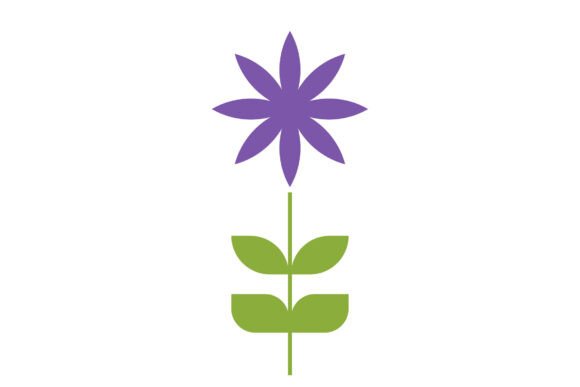
To truly appreciate this style, one must first understand its core components. Unlike traditional botanical illustrations, which strive for hyper-realistic detail, shading, and three-dimensional depth, flat vector illustrations strip away the unnecessary. The philosophy here is reduction. By removing gradients, shadows, and complex textures, the artist highlights the essential form of the plant.
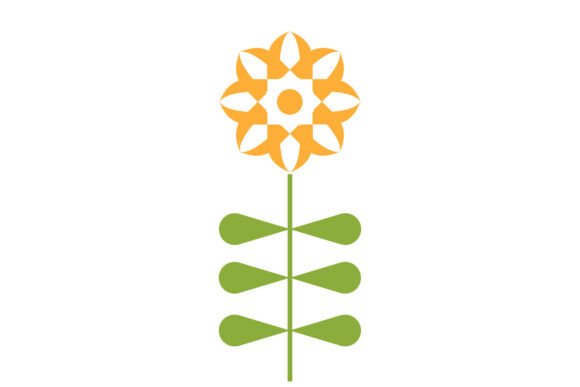
A decorative modern stylized garden flora piece typically features:
- Simplified Shapes: Leaves and petals are reduced to their most recognizable geometric or organic forms.
- Bold Color Palettes: Instead of subtle gradations, these designs often utilize solid blocks of vibrant color to create contrast and visual interest.
- Clean Lines: The outlines are crisp, ensuring the image remains legible even when scaled down to the size of a mobile app icon.
This approach does not mean the art lacks soul. On the contrary, by focusing on the essence of the botanical species, the viewer is invited to engage with the subject matter more directly. It is a celebration of form over texture, and concept over realism.
The Significance of Color in Spring-Inspired Designs
One of the most striking aspects of this genre is the use of color. While minimalism often conjures images of black and white, elements colorful spring flowers introduce a refreshing vibrancy. Designers leverage the psychological impact of color to evoke specific emotions. For instance, soft pastels might suggest calmness and renewal, while saturated magentas and electric blues can inject energy and modernity into a project.
When working with flat design style graphics, color becomes the primary vehicle for depth and dimension. Without the crutch of drop shadows, the interplay between a bright yellow center and a deep green leaf creates a dynamic visual hierarchy. This makes these illustrations particularly effective for branding, where immediate recognition and emotional connection are paramount.
Practical Applications in Modern Life and Business
The utility of decorative modern minimal flowers extends far beyond simple aesthetics. In today's fast-paced digital environment, clarity is king. These illustrations fit seamlessly into various sectors, enhancing user experience and brand identity.
- Web and App Development: Flat vector illustrations load quickly and scale perfectly across different screen resolutions. From landing pages to user interface icons, these floral elements add a touch of humanity to tech-heavy environments without cluttering the screen.
- Packaging Design: Consumer goods, particularly in the health, wellness, and organic food industries, benefit immensely from this style. A minimalist flower on a package suggests purity, simplicity, and natural ingredients, aligning perfectly with modern consumer values.
- Educational Materials: Textbooks and e-learning modules often use stylized botanicals to explain biological concepts. By stripping away distracting details, students can focus on the structural differences between species.
- Interior Decor and Stationery: The trend has migrated from screens to physical spaces. Wall art, planners, and greeting cards featuring stylized garden flora offer a contemporary look that complements modern interior design schemes.
Understanding File Formats: EPS, JPEG, and PNG
For those looking to incorporate these designs into their work, understanding the technical delivery formats is crucial. You will frequently encounter terms like EPS, Jpeg, and Png. Each serves a distinct purpose in the workflow of a creative professional.
EPS (Encapsulated PostScript): This is the gold standard for vector graphics. An EPS file contains mathematical paths rather than pixels. This means you can resize a flat vector illustration from the size of a postage stamp to a billboard without any loss of quality. It is the preferred format for printers and designers who need to edit colors or shapes.
PNG (Portable Network Graphics): Ideal for web use, PNG files support transparency. This allows a decorative modern minimal flower to sit cleanly on any background color or image without a white box surrounding it. They offer high quality for digital displays.
JPEG (Joint Photographic Experts Group): While less common for pure vector work, JPEGs are universally compatible and have smaller file sizes, making them suitable for photographs of printed materials or situations where transparency is not required.
Clarifying Common Misunderstandings
Despite its popularity, there are several misconceptions surrounding floral botanical design in the flat style. A common assumption is that "minimal" equals "easy to create." In reality, achieving a balanced, aesthetically pleasing composition with fewer elements requires a sophisticated eye. Every line and color choice carries more weight because there is nowhere to hide mistakes.
Another misunderstanding is that flat design is devoid of emotion. Critics sometimes argue that removing realistic details strips the life out of the subject. However, proponents argue the opposite: by abstracting the flower, the artist captures its spirit rather than just its physical appearance. It allows for a universal interpretation that transcends specific cultural or regional associations with certain realistic depictions.
Building a Broader Understanding of Botanical Species
Engaging with decorative modern stylized garden flora can also serve as an educational gateway to botany. While the designs are simplified, they often retain key identifying features of specific botanical species. A well-designed flat illustration of a monstera leaf will still display the characteristic splits, while a stylized tulip will maintain its cup-like shape.
This abstraction encourages viewers to look closer at the real world. When we see a simplified version of a plant, we are often prompted to compare it with nature, fostering a deeper appreciation for the diversity of plant life. It bridges the gap between art and science, making the study of nature accessible and visually engaging for a general audience.
The Future of Floral Design in a Digital World
As technology evolves, so too does the application of these designs. We are seeing a rise in motion graphics where elements colorful spring flowers bloom and sway on screens, adding a layer of interactivity to the static flat design. The principles of minimalism ensure that these animations remain smooth and do not overwhelm the user.
Furthermore, the demand for sustainable and eco-conscious branding continues to grow. Flat vector illustrations of nature align perfectly with this movement. They convey a message of environmental stewardship through their very form—clean, uncluttered, and respectful of the subject matter.
In conclusion, the world of decorative modern minimal flowers offers a rich tapestry of creativity and utility. Whether utilized in a corporate logo, a classroom presentation, or a piece of home decor, these designs prove that less is indeed more. By mastering the balance of shape, color, and simplicity, creators can produce work that is not only visually stunning but also deeply resonant with modern audiences. As we continue to navigate a world saturated with information, the clear, calming presence of a well-crafted botanical illustration remains a beacon of clarity and beauty.
For those ready to explore this field further, experimenting with different botanical species and color combinations is the best starting point. Remember, the goal is not to replicate nature perfectly, but to interpret it in a way that speaks to the contemporary human experience. With the right tools and an understanding of formats like EPS, Jpeg, and Png, anyone can begin to create or utilize these timeless designs.