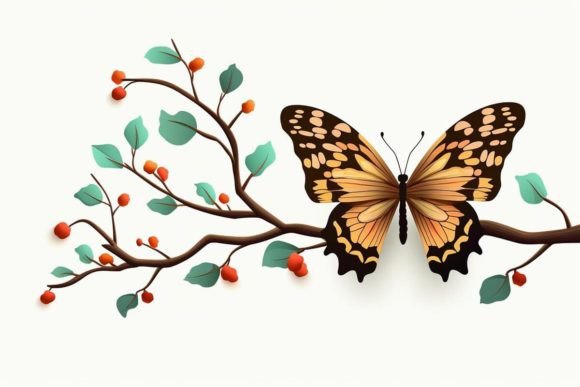
Mastering Your Projects with High-Quality Decorative Clipart Nature Design
There is a distinct satisfaction in finding the perfect visual element to complete a project. Whether you are designing a wedding invitation, crafting a social media post for a small business, or assembling educational materials for a classroom, the right imagery can elevate your work from amateur to professional instantly. This is where Decorative Clipart Nature Design becomes an invaluable resource. These assets offer a bridge between complex illustration and simple iconography, providing stylized representations of flora, fauna, and landscapes that add warmth and context to any composition. However, navigating the world of digital downloads requires more than just clicking "buy." Many creators, from seasoned entrepreneurs to weekend hobbyists, often overlook critical details regarding file formats, licensing, and resolution, leading to frustrating results. By understanding the nuances of these digital assets, you can ensure your final output looks crisp, communicates clearly, and respects intellectual property rights.
Understanding the Value and Versatility of Nature Assets
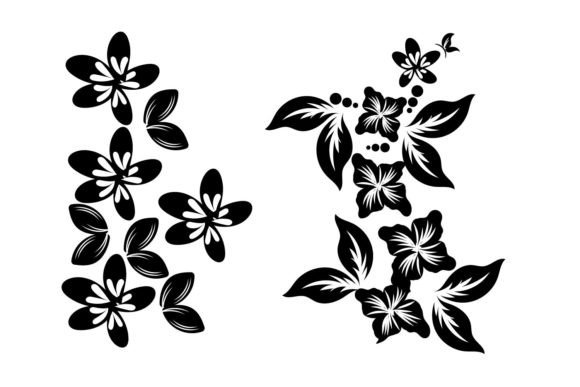
At its core, decorative clipart featuring nature themes serves as a versatile toolkit for visual storytelling. Unlike stock photography, which captures reality with all its imperfections and lighting constraints, clipart offers a controlled, stylized aesthetic. You might find hand-drawn watercolor leaves, vector-based geometric mountains, or intricate botanical line art. The appeal lies in their adaptability; a single pine cone illustration can be resized, recolored, and repositioned without losing quality, provided you have the right source file. Marketers use these elements to evoke feelings of sustainability and growth, while educators utilize them to make learning materials engaging and approachable. The key is recognizing that not all nature designs are created equal. Some are intended for large-format printing, while others are optimized strictly for screen display. Misidentifying the intended use case is the first step toward a subpar result.
The Trap of Low-Resolution Downloads
One of the most common pitfalls creators face is assuming that an image looking sharp on a thumbnail will remain clear when expanded. Many free or low-cost repositories offer Decorative Clipart Nature Design files that are heavily compressed or saved at low resolutions, typically 72 DPI (dots per inch). While this is acceptable for a tiny icon on a website, it becomes a disaster if you attempt to print that same image on a flyer or a product label. The result is pixelation—a jagged, blurry appearance that immediately signals low quality to your audience. This mistake can damage brand credibility and waste money on ruined print runs.
To avoid this, always inspect the technical specifications before downloading. If the product description mentions a ZIP file containing a JPG, check the dimensions in pixels. For web use, 1000 pixels on the longest side is often sufficient. However, for any physical printing, you should aim for files that allow for 300 DPI at your desired print size. If the seller only provides a low-res JPG, consider reaching out to see if higher-resolution versions or vector formats (like SVG or EPS) are available. Vector files are mathematically defined shapes that can be scaled infinitely without losing edge sharpness, making them the gold standard for professional design work.
Misinterpreting File Formats and Editing Capabilities
Another frequent misunderstanding involves the limitations of specific file types, particularly JPGs. As noted in many product listings, you may receive a package containing solely a JPG file. While JPGs are universally compatible and easy to view, they come with significant restrictions. They do not support transparency, meaning your nature clipart will always have a solid background box (usually white) behind it. Trying to place a JPG leaf over a colored background often results in an unsightly white square unless you possess advanced photo-editing skills to remove the background manually.
Furthermore, JPGs are "raster" images, composed of a grid of pixels. Once you download them, you cannot easily separate the individual elements within the image. If the clipart features a bouquet of flowers and you only want one stem, you are forced to crop or erase parts of the image, which can look messy. A better approach for flexible design is to seek out packages that include PNG files with transparent backgrounds or vector formats. If you are limited to a JPG-only download, plan your design accordingly. Use the image on a white or matching background, or be prepared to spend time editing the file in software like Photoshop or GIMP to isolate the subject matter.
Navigating Licensing and Commercial Use
Perhaps the most critical aspect often overlooked by beginners is the license agreement. Just because you have downloaded a file does not mean you own the rights to use it however you please. Many creators assume that purchasing a digital download grants them full commercial ownership, allowing them to print the image on t-shirts, mugs, or packaging for resale. In reality, licenses vary wildly. Some Decorative Clipart Nature Design packs are for "Personal Use Only," prohibiting any monetization. Others allow commercial use but forbid selling the image as-is or using it in logos.
Ignoring these terms can lead to serious legal repercussions, including cease-and-desist letters and financial penalties. Before integrating any nature asset into a client project or a product for sale, read the Terms of Use thoroughly. Look for specific clauses regarding "commercial license," "print on demand," and "attribution requirements." If the documentation is unclear, do not guess. Contact the creator directly to clarify your intended use. It is far better to ask for permission or purchase an upgraded license than to risk your business reputation on an assumption.
Evaluating Artistic Consistency and Style
When building a brand identity or a cohesive project, consistency is king. A common error is mixing disparate styles of nature clipart within a single design. For instance, pairing a hyper-realistic photograph of a rose with a cartoonish, flat-design oak tree creates visual dissonance that confuses the viewer. Effective design relies on a unified aesthetic. When browsing for assets, pay attention to the line weight, color palette, and rendering style. Are the edges soft and watercolor-like, or hard and geometric? Do the colors share a similar saturation level?
To maintain professionalism, curate your assets carefully. If you start a project with a set of hand-sketched botanical illustrations, stick to that style throughout. If you need variety, look for bundles from the same artist, as they often maintain a consistent hand across different elements. This ensures that your website headers, social media graphics, and printed brochures feel like part of a singular, thoughtful brand narrative rather than a collage of random internet finds.
Making Informed Decisions Before You Download
Ultimately, the quality of your final project depends on the choices you make at the acquisition stage. Do not let the convenience of a quick download override due diligence. Take a moment to verify the file format, check the resolution, understand the licensing terms, and assess the stylistic fit. Remember that titles in digital marketplaces can sometimes be misleading or generated randomly; always focus on the actual preview images and the file list provided in the description. If a product offers only a single low-quality JPG and you need a versatile asset for a major campaign, it might be worth investing in a premium bundle or commissioning custom work.
By approaching Decorative Clipart Nature Design with a critical eye and a clear understanding of your needs, you transform these digital files from simple decorations into powerful tools for communication. Whether you are a freelancer building a portfolio or a small business owner launching a new product line, taking these precautions ensures that your visual content supports your goals rather than hindering them. Happy designing, and may your projects always bloom with clarity and purpose.