Mastering Digital Design Workflows: From Subscription Management to Layered Cut Files
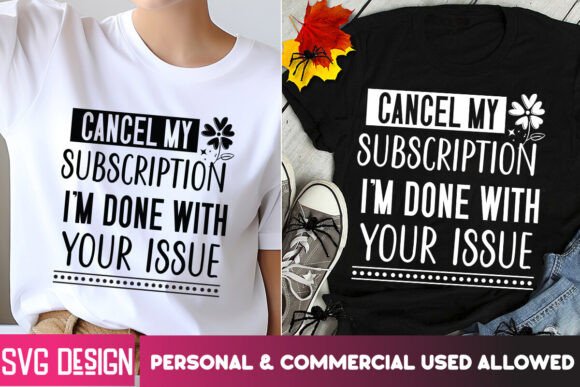
In the rapidly evolving landscape of digital creation and subscription-based services, users often find themselves navigating two distinct but equally important territories: managing their recurring commitments and acquiring the right assets for their creative projects. Whether you are a professional graphic designer, a small business owner, or a hobbyist crafter, understanding how to efficiently handle service cancellations like the phrase Cancel My Subscription I m Done with You suggests, while simultaneously leveraging high-quality digital assets such as layered cut files, is essential for maintaining productivity and creative freedom.
This article explores the intersection of digital asset management and service lifecycle control. We will delve into the technical specifics of working with multi-format design files, the practical applications of layered vectors in modern crafting, and the broader context of managing digital subscriptions effectively. By examining these elements, creators can ensure they are not only equipped with the best tools but also maintain full control over their digital ecosystem.
The Anatomy of a Versatile Digital Asset
When sourcing materials for creative projects, the quality and versatility of the file format are paramount. A prime example of a robust digital asset is the Word By Layer Cut File. This type of file is not merely a static image; it is a structured collection of data designed to offer maximum flexibility across various software platforms and hardware devices. Understanding what is included in such a package allows users to make informed decisions that align with their specific workflow requirements.
A comprehensive digital download typically includes a suite of file formats, each serving a unique purpose in the design and production pipeline:
- SVG File (Scalable Vector Graphics): This is often the cornerstone for users of cutting machines like Cricut and Silhouette. The layered structure within an SVG allows crafters to isolate specific elements of a design, applying different colors or materials to each layer without manual separation. This capability is crucial for creating complex, multi-colored decals, heat transfers, and stickers.
- EPS File (Encapsulated PostScript): As a high-quality vector format, EPS files are indispensable for professional designers who need to resize graphics without any loss of resolution. Whether scaling a logo for a billboard or shrinking it for a business card, the mathematical paths defined in an EPS ensure crisp edges at any dimension.
- PNG File (Portable Network Graphics): For digital projects requiring transparency, the PNG format is essential. With a transparent background, these images blend seamlessly into websites, social media graphics, and digital presentations, eliminating the need for tedious background removal processes.
- DXF File (Drawing Exchange Format): Originally developed for AutoCAD, this format ensures compatibility with a wide range of CAD software. It is particularly useful for precise cutting tasks where engineering-level accuracy is required, bridging the gap between artistic design and industrial fabrication.
- AI File (Adobe Illustrator): The native source file for Adobe Illustrator offers the highest level of editability. Professionals can manipulate anchor points, adjust bezier curves, and modify color profiles directly, allowing for tailored designs that meet exact brand specifications.
- JPEG File (Joint Photographic Experts Group): While not vector-based, a high-resolution JPEG is vital for quick previews, online listings, and print scenarios where vector editing is not necessary. It delivers crystal-clear visuals suitable for immediate use in documents or web content.
Practical Applications Across Industries
The utility of layered cut files extends far beyond simple hobbyist crafting. These assets serve as foundational building blocks for a diverse array of industries, enabling professionals to execute projects with greater efficiency and creativity.
Home Decor and Interior Design
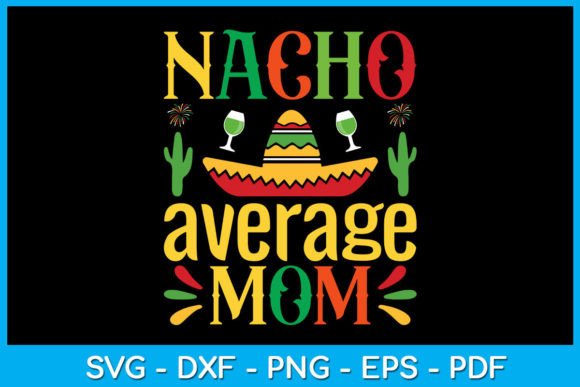
In the realm of home improvement, layered designs allow for the creation of intricate wall decals and custom signage. A design featuring playful lettering with decorative accents can be separated into layers to apply vinyl in contrasting colors, adding depth and visual interest to living spaces. Educators and parents also utilize these files to create engaging classroom decorations or personalized nursery art, fostering environments that stimulate creativity and learning.
Apparel and Merchandising
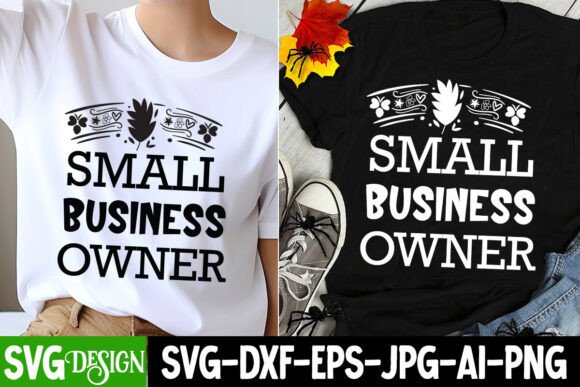
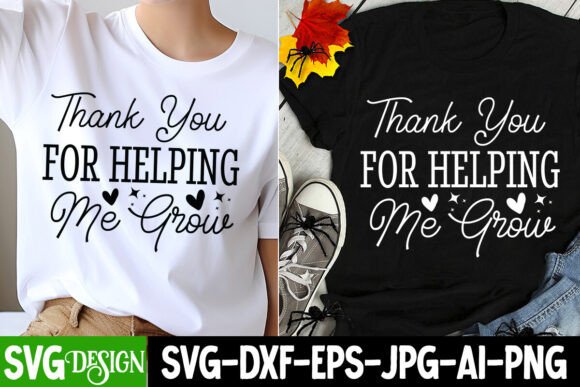
For business owners in the fashion and merchandise sector, the ability to work with layered SVGs is a game-changer. When producing custom t-shirts, hoodies, or tote bags, designers can assign different layers to different heat transfer vinyl (HTV) colors. This precision ensures that the final product looks professional and matches the original concept perfectly. Furthermore, the scalability of vector files means that a single design can be adapted for everything from a small chest logo to a full-back print without needing to recreate the artwork.
Digital Marketing and Branding
Marketing professionals leverage PNG and EPS files to maintain brand consistency across various media channels. The transparent nature of PNGs allows logos and graphical elements to be overlaid on video thumbnails, website banners, and promotional emails without unsightly white boxes. Meanwhile, the editable nature of AI and EPS files ensures that branding agencies can quickly adapt a client's logo for different campaign needs, ensuring agility in a fast-paced market.
Workflow Integration and Software Compatibility
One of the most significant advantages of acquiring a multi-format digital pack is its broad compatibility. In a fragmented software environment, having files that work across different platforms reduces friction and enhances workflow continuity.
Users of Cricut Design Space and Silhouette Studio benefit directly from the layered SVG and DXF files, which import cleanly and retain their structural integrity. This allows for immediate manipulation within the machine's proprietary software. Conversely, users relying on open-source alternatives like Inkscape can utilize the SVG and EPS formats to achieve similar results without incurring licensing costs. For those embedded in the Adobe ecosystem, the inclusion of AI and high-res JPEG files ensures seamless integration with Photoshop and Illustrator, facilitating complex compositing and vector editing tasks.
This cross-platform compatibility is particularly beneficial for educational institutions and research groups where budget constraints may dictate the use of varied software solutions. By providing a universal set of files, creators ensure that their work is accessible to students, colleagues, and collaborators regardless of their preferred toolset.
Navigating Digital Subscriptions and User Autonomy
While acquiring the right tools is critical, managing the services that provide them is equally important. The digital economy relies heavily on subscription models, offering access to stock libraries, software suites, and cloud storage. However, there are instances when a user must evaluate the value proposition of these services and decide to part ways. The sentiment behind the search query Cancel My Subscription I m Done with You reflects a common scenario where users seek to regain control over their recurring expenses.
Understanding the cancellation process is a vital aspect of digital literacy. Whether it is a design software subscription that no longer fits a changed workflow, or a stock asset library that has become redundant due to the acquisition of permanent licenses like the Word By Layer Cut File, knowing how to terminate these agreements efficiently prevents unnecessary financial leakage.
Professionals and consumers alike should regularly audit their digital subscriptions. This practice involves reviewing active services, assessing their current utility, and making decisive changes when a service no longer aligns with project goals. Just as a crafter selects the appropriate file format for a specific project, a savvy user selects the appropriate service model for their current needs. If a subscription model becomes restrictive or cost-prohibitive, transitioning to one-time purchase assets or alternative providers is a logical step.
Considerations for Transitioning Services
When deciding to cancel a subscription, users should consider the following factors to ensure a smooth transition:
- Data Portability: Ensure that any proprietary data or projects created within the subscribed service can be exported in standard formats before cancellation.
- Asset Ownership: Verify which assets are licensed for perpetual use versus those that require an active subscription. Investing in downloadable, owned assets like layered cut files can mitigate reliance on subscription-only libraries.
- Billing Cycles: Be aware of renewal dates to avoid unintended charges. Setting reminders prior to the billing cycle allows for a deliberate decision-making process regarding continuation or cancellation.
Maximizing Creative Potential Through Strategic Asset Selection
The synergy between owning high-quality, versatile digital assets and maintaining control over service subscriptions creates a empowered creative environment. By purchasing comprehensive file packs that include SVG, EPS, PNG, DXF, AI, and JPEG formats, creators eliminate the dependency on specific online generators or limited-time access libraries. This ownership model fosters long-term sustainability in creative projects.
For instance, a small business owner who purchases a layered cut file for their logo can use it indefinitely across various mediums—printing business cards, creating window decals, or designing social media posts—without worrying about monthly fees or expiration dates. This contrasts sharply with subscription models where access to assets ceases immediately upon cancellation. The phrase Cancel My Subscription I m Done with You thus becomes not just an exit strategy, but a pivot point towards a more autonomous and cost-effective operational model.
Furthermore, the technical characteristics of these files support a wide range of creative expressions. The layered structure allows for experimentation; a user can rearrange elements, change color schemes, or isolate specific parts of a design to create entirely new variations from a single source file. This flexibility is invaluable for researchers documenting visual trends, educators teaching design principles, or hobbyists exploring new crafting techniques.
Conclusion on Digital Empowerment
In conclusion, the modern creator's toolkit is defined by both the quality of their assets and the autonomy of their digital choices. High-quality, multi-format files like the Word By Layer Cut File provide the technical foundation necessary for professional-grade output across diverse applications, from home decor to commercial merchandising. Simultaneously, the ability to critically evaluate and manage subscriptions ensures that creators remain agile and financially responsible.
By prioritizing versatile, owned assets and maintaining a clear understanding of service lifecycles, individuals and businesses can navigate the digital landscape with confidence. Whether the goal is to produce a stunning physical craft project using a Cricut machine or to streamline operational costs by reassessing software commitments, the principles of compatibility, quality, and user control remain central to success. Embracing these practices allows for a more sustainable, efficient, and creatively fulfilling experience in the digital age.