Evaluating Seamless Baby Boy Pattern Paper for Creative Projects
For crafters, digital designers, and scrapbook enthusiasts, selecting the right background elements is a critical step in the creative process. Seamless Baby Boy Pattern Paper represents a specific category of digital assets designed to streamline the creation of themed projects centered around infancy and early childhood. These files are not merely decorative images; they are functional tools engineered to tile infinitely without visible breaks, offering a consistent aesthetic for both print and digital applications. Understanding the specific characteristics, benefits, and limitations of these patterns is essential for determining whether they align with your current project goals.
Defining Seamless Baby Boy Pattern Paper
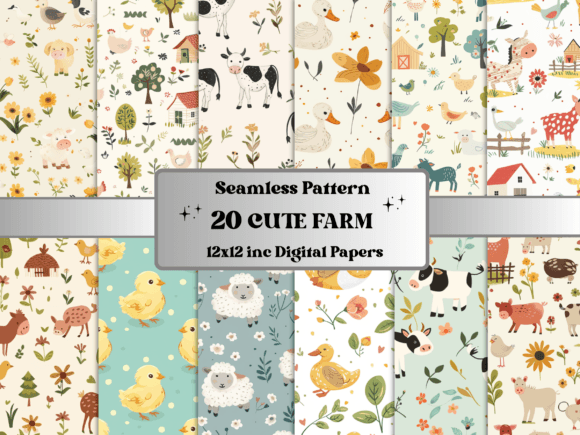
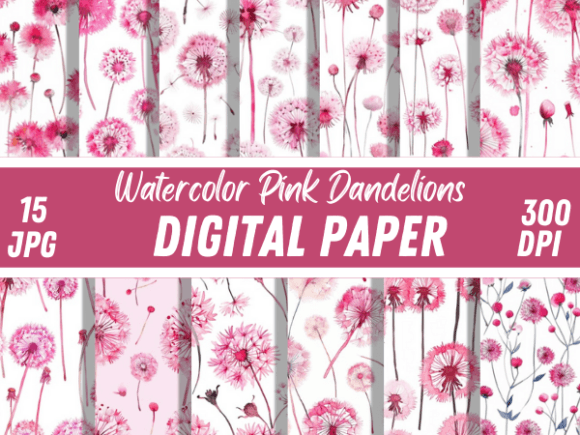
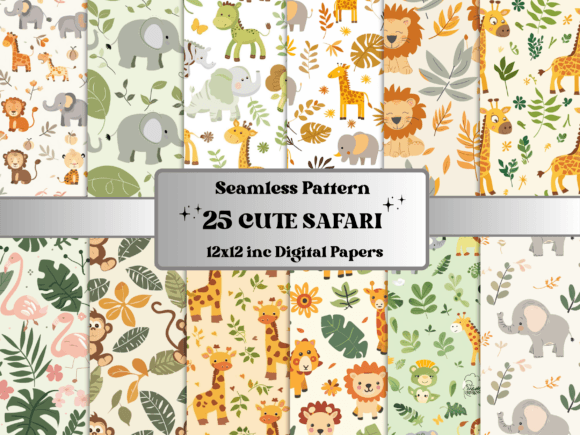
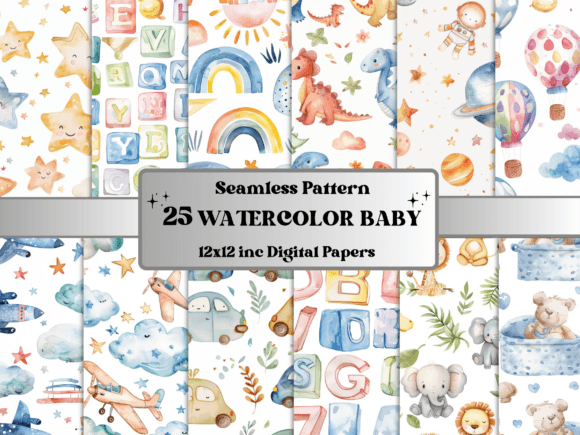
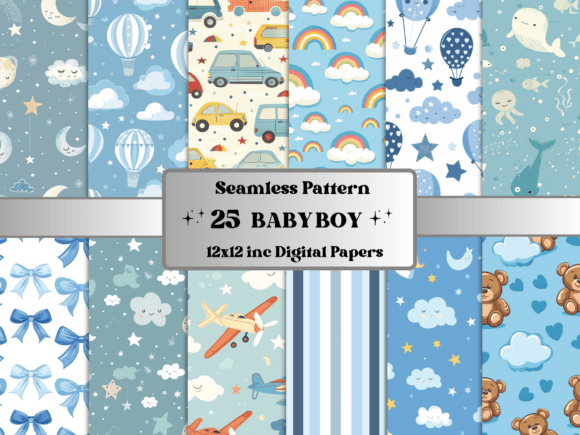
At its core, Seamless Baby Boy Pattern Paper refers to high-resolution digital image files, typically in JPG or PNG format, where the design repeats perfectly on all four sides. When placed adjacent to one another, the edges match precisely, creating the illusion of a continuous, unbroken surface. In the context of baby boy themes, these designs often incorporate specific visual motifs such as teddy bears, soft floral arrangements, nursery ephemera, and fantasy elements rendered in soothing blue hues.
The technical specifications of these files play a significant role in their utility. A standard offering in this niche includes files sized at 12x12 inches with a resolution of 300 DPI (dots per inch). This resolution is the industry standard for high-quality printing, ensuring that the output remains crisp and free of pixelation when used in physical scrapbooks or junk journals. The "seamless" nature distinguishes these from standard clip art or single-page backgrounds, as they allow the user to expand the canvas to any dimension required without losing the integrity of the design.
Practical Applications and Use Cases
The versatility of Seamless Baby Boy Pattern Paper makes it a strong fit for several distinct types of projects. Evaluating where these files shine helps users decide if they are the right investment for their needs.
- Junk Journaling: This is perhaps the most popular application. Junk journals rely heavily on layered backgrounds and textured papers. Seamless patterns allow creators to generate custom-sized pages that fit unique journal bindings, providing a cohesive look throughout the book without the constraint of pre-cut paper sizes.
- Digital Scrapbooking: For those working entirely in software like Photoshop or Procreate, seamless tiles are invaluable. They enable the creation of expansive backgrounds for photo layouts, ensuring that the focus remains on the memories being preserved rather than distracting paper edges.
- Card Making and Invitations: When designing baby shower invitations or birth announcements, these patterns serve as elegant backdrops. The ability to tile the image means the design can accommodate various card aspect ratios, from square to panoramic, without stretching or distorting the artwork.
- Web and Social Media Design: Beyond print, these files function effectively as website backgrounds or social media banners for parenting blogs or nursery decor shops, offering a professional, branded aesthetic.
Benefits of Choosing Seamless Designs
There are compelling reasons to prioritize seamless options over standard patterned papers. The primary advantage is flexibility. With traditional 12x12 inch printed paper, the crafter is limited by the physical dimensions of the sheet. If a project requires a 24-inch wide spread, multiple sheets must be joined, often resulting in visible seams that disrupt the visual flow. Digital seamless files eliminate this constraint entirely.
Furthermore, the quality consistency offered by 300 DPI files ensures professional results. Lower resolution images may appear acceptable on a screen but often degrade when printed. High-resolution seamless papers maintain their clarity regardless of how many times they are tiled. Additionally, the thematic cohesion found in curated sets—such as those featuring matching teddy bear motifs and floral elegance—saves time. Instead of hunting for disparate elements that match, users receive a coordinated palette of blues and styles that work harmoniously together.
Considerations and Tradeoffs
While Seamless Baby Boy Pattern Paper offers significant advantages, it is important to acknowledge potential tradeoffs. The primary consideration is the requirement for digital literacy and equipment. To utilize these files effectively, the user must have access to a computer, design software, and a capable printer if physical copies are desired. Unlike buying a pad of pre-printed paper from a craft store, digital files require the user to manage file storage, perform the tiling process, and handle the printing logistics.
Another factor is the repetition risk. If a seamless pattern is tiled too obviously on a small canvas, the repeating motif can become distracting to the viewer. Successful implementation often requires careful scaling or masking to ensure the pattern serves as a subtle texture rather than an overpowering element. Users must evaluate whether their design skills allow them to manipulate these tiles effectively or if they prefer the simplicity of pre-patterned physical paper.
When to Consider Alternatives
Despite their utility, seamless digital papers are not the optimal solution for every scenario. Alternatives may be worth considering in the following situations:
- Lack of Printing Resources: If a crafter does not own a high-quality inkjet or laser printer capable of handling cardstock, purchasing physical scrapbook paper may be more cost-effective and yield better immediate results.
- Need for Tactile Variety: Digital prints generally replicate the visual aspect of paper but cannot mimic specialized textures like foil, embossing, or heavy linen finishes found in premium physical paper packs. For projects where tactile sensation is paramount, physical ephemera is superior.
- One-Off Small Projects: For a single, small-scale card where tiling is unnecessary, using a standard non-seamless digital background or a single sheet of store-bought paper may be faster and less technically demanding.
Making the Decision
Ultimately, the decision to invest in Seamless Baby Boy Pattern Paper depends on the scope of your projects and your comfort with digital tools. If you frequently create junk journals, manage a digital design portfolio, or require custom-sized backgrounds for varied layouts, the flexibility and high resolution of these files provide immense value. The ability to generate endless yards of coordinated, themed paper from a single download supports long-term creativity and consistency.
However, if your crafting style relies heavily on mixed media textures that cannot be printed, or if you prefer the immediacy of physical supplies without the setup time, traditional paper pads may remain your preferred choice. By weighing the need for customization against the convenience of ready-made supplies, you can determine if this digital resource aligns with your artistic workflow. For those seeking to blend fantasy, floral elegance, and nursery charm into a cohesive visual narrative, these seamless patterns offer a robust foundation for bringing those ideas to life.