Elevate Designs with Curly Flourishes
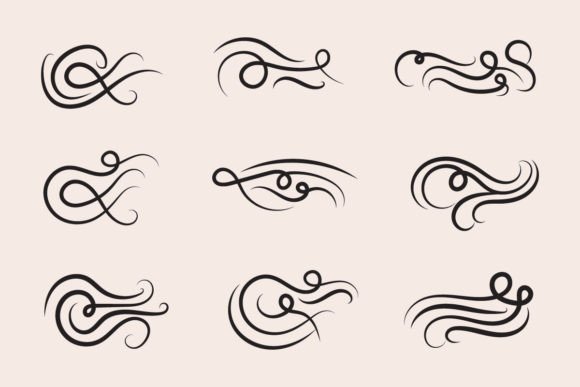
In the fast-paced world of visual communication, the difference between a good design and a memorable one often lies in the details. Curly Flourishes Line Swirl Ornaments offer designers a sophisticated toolkit to add elegance, movement, and personality to their creative projects. These delicate, hand-drawn elements are not merely decorative; they serve as vital connectors that guide the viewer's eye and establish a distinct mood within a layout.
When integrating vintage filigree swirls or calligraphy-style strokes into your work, you are tapping into a rich history of editorial and print design. These assets bring a sense of craftsmanship that digital perfection sometimes lacks. Whether you are building a brand identity for a boutique wedding planner or crafting a luxury packaging label, these thin line swings and swashes provide the perfect balance between structure and artistic flair.
The Strategic Role of Ornamental Design
Modern aesthetics often lean towards minimalism, but there is a growing trend towards "maximalist minimalism," where clean layouts are accented with intricate, high-quality details. Flourishes and swirl ornaments play a crucial role here by creating visual hierarchy without overwhelming the content. They act as subtle frames, drawing attention to key headlines or separating sections of text in a way that feels organic rather than rigid.
From a branding perspective, consistency is key. Using a specific set of curly flourishes across various touchpoints helps reinforce brand recognition. Because these elements are often available in versatile formats like EPS, SVG, and high-resolution PNG, they adapt seamlessly to both digital screens and print media. This scalability ensures that your logo design or marketing collateral looks crisp whether it is on a business card or a billboard.
Versatile Applications for Creative Professionals
The utility of these decorative elements extends far beyond simple decoration. Here is how professional designers are leveraging these assets to enhance various types of projects:
- Branding and Logo Design: Incorporate swirls to soften geometric logos or add a touch of heritage to modern wordmarks.
- Editorial Layouts: Use text dividers and corner ornaments to break up long articles in magazines or eBooks, improving readability and flow.
- Packaging Design: Frame product names on labels with vintage filigree to suggest quality and artisanal production.
- Social Media Graphics: Elevate Instagram stories or Pinterest pins with elegant borders that stand out in crowded feeds.
- Invitations and Stationery: Create cohesive suites for weddings and events where every element, from the save-the-date to the menu, shares a unified stylistic thread.
- Web and UI Design: Apply subtle SVG flourishes as background textures or section dividers to add depth to flat user interfaces.
Best Practices for Implementation
While these assets are powerful, their effectiveness depends on thoughtful application. Overusing decorative elements can clutter a design and distract from the core message. When selecting Curly Flourishes Line Swirl Ornaments, consider the existing typography and color palette of your project. A heavy, bold font might clash with ultra-thin swashes, whereas a script or serif typeface often harmonizes beautifully with them.
Color customization is another critical factor. One of the greatest advantages of vector files (EPS and SVG) is the ability to edit stroke colors instantly. Ensure that your flourishes complement your brand's primary colors rather than competing with them. Sometimes, a monochromatic approach works best, using a slightly lighter or darker shade of the background color to create a subtle watermark effect.
Furthermore, always prioritize resolution and format based on the final output. For web use, SVGs provide infinite scalability and small file sizes, enhancing page load speeds and UX. For print applications like t-shirts or greeting cards, high-resolution JPGs or vector EPS files ensure that the fine lines of the filigree do not pixelate or lose definition during the printing process.
Ultimately, the goal of any design asset is to improve communication. By carefully curating and placing these ornamental strokes, you create a more engaging user experience that invites the audience to linger. Quality creative assets like these do not just fill space; they tell a story of refinement and attention to detail, elevating the perceived value of the entire project.